CAT ISLAND BIRD PHOTOGRAPHY EXPERIENCE
MARCH 6-8, 2020
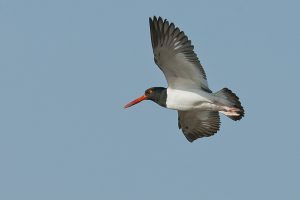
American oystercatcher flying over the beach.
SUMMARY
Shore Thing Charters and Wildlife Mississippi are working to provide a later winter/early spring bird photography opportunity off the coast of Mississippi. Shore Thing Charters has a fleet of 7 comfortable bay boats, and a long history of quality fishing and touring excursions based out of Cat Island – their famous “Cat Island Experience.” Wildlife Mississippi has a project called “Focus on the Wild Side” that is designed to enhance access to wildlife photography opportunities in Mississippi. Robert Smith, Wildlife Mississippi’s Coastal Program Coordinator, has been photographing wildlife for over 30 years, and leading bird photography outings for over 15 years. For more information about Shore Thing Charters’ Cat Island Experience, visit: http://shorethingcharters.com/the-cat-island-experience/. For more about Robert Smith’s photography, visit: http://www.photobiologist.com. For more about Wildlife Mississippi’s coastal projects, visit: http://www.wildlifemiss.org/Habitat/Coastal.aspx.
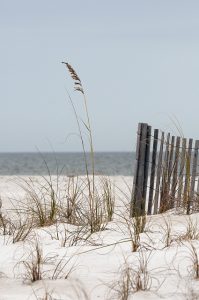
Stabilized sand dunes on Cat Island beach.
The Mississippi barrier islands are known for their beauty and wildlife. Their environs hold great numbers of wintering shorebirds and some sizeable flocks of winter waterfowl. Shorebirds will be a focus, but if the opportunity presents itself for waterfowl photography, that option will be pursued as well. Other wildlife, such as osprey, raccoons, and wading birds are also common. Scenic shots abound, as do opportunities for still life photography.
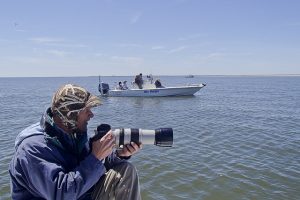
Photographers on two of Shore Thing Charters boats drifting in to an island in Biloxi Marsh.
DESCRIPTION
Our photographic adventure will be based out of the Cat Island house. We will have 4 photographic outings with 2 licensed captains in 2 of Shore Thing Charters’ bay boats. We will plan to visit mud flats and beaches on Cat Island that are known to host loafing and feeding shorebirds, wading birds, and waterfowl. We will also visit the shell banks and marshes of the Biloxi Marsh area in neighboring Louisiana for more habitats and photographic opportunities for wading birds and shorebirds. If the light is good and the water calm, we will also cruise the canal edges as we come and/or go for other photographic opportunities. On Friday night, Robert Smith will give a presentation on beach bird photography.
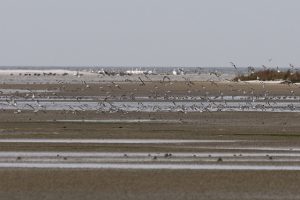
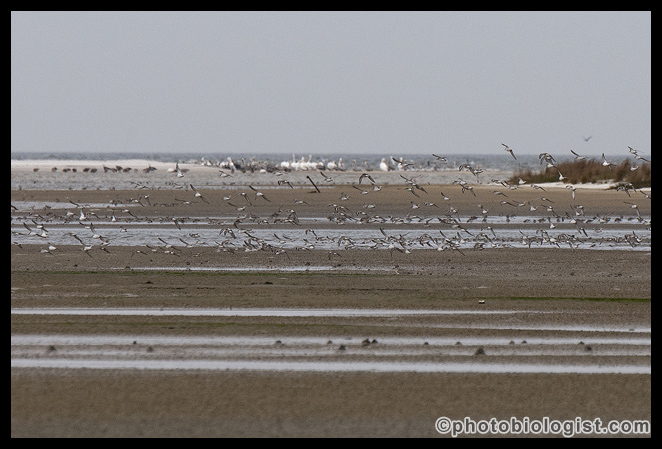
Some of the thousands of shorebirds, water birds, and wading birds that typically loaf and feed on the southeastern end of Cat Island.
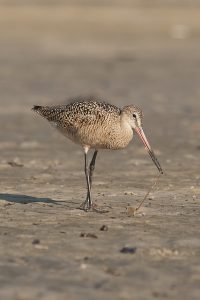
Marbled godwit feeding on an intertidal mud flat.
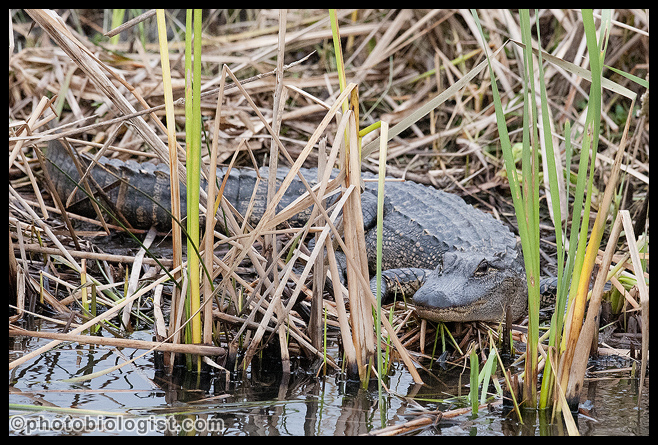
The birds on Cat Island and in the Biloxi Marsh are wild birds; these birds are not as habituated to people as the birds on the mainland beaches and around mainland harbors. That said, as long as you make no quick movements and are patient, the shorebirds will often dart within minimum focus distance of most long lenses. There are plovers, sandpipers, yellowlegs, oyster catchers, terns, willets, dunlins, turnstones, and a few scattered whimbrels, godwits, and less common shorebirds during this time of year. Waterfowl, such as scoters, scaup, redheads, buffleheads, and common mergansers often swim into the lagoon entrance to feed; photographing these birds requires more patience and camouflage clothing is a definite help. Opportunities to photograph ospreys, pelicans, and wading birds are a given. Some resident and wintering birds, such as black and white warblers, kinglets, yellow-rumped warblers, northern cardinals, and northern mockingbirds are also found around the house. Some early migrants, like purple martin scouts, may also be present. Depending on the weather, we may see alligators, nutria, raccoons, and other wildlife.
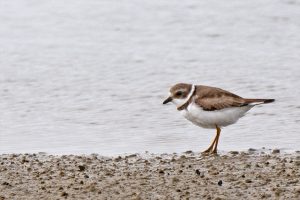
Semipalmated plover running the waters edge on Cat Island.
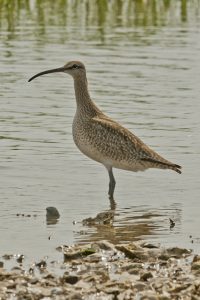
Whimbrel in Biloxi Marsh.
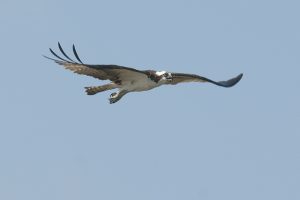
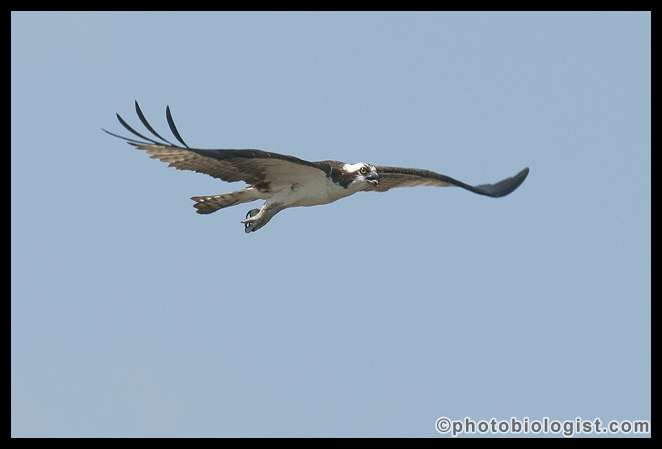
Osprey flying by the Cat Island House.
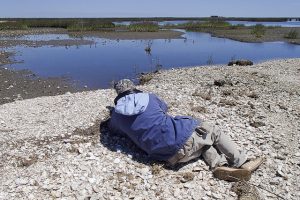
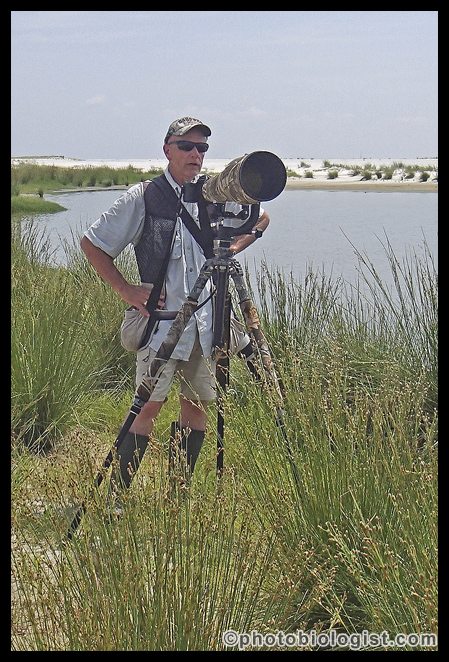
Larry Dees photographing shore birds in Biloxi Marsh.
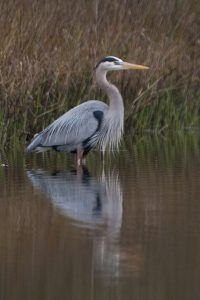
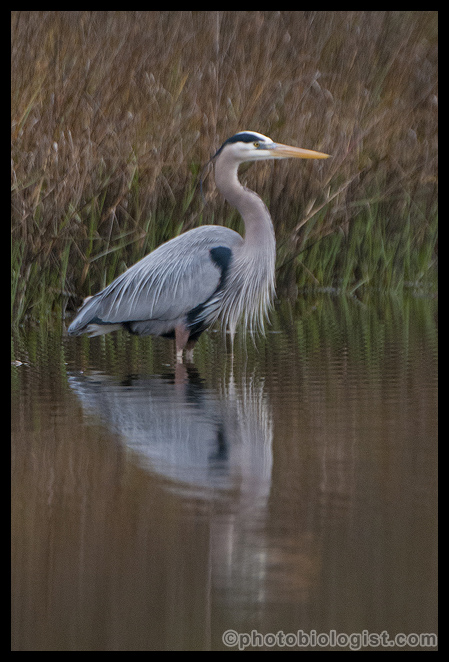
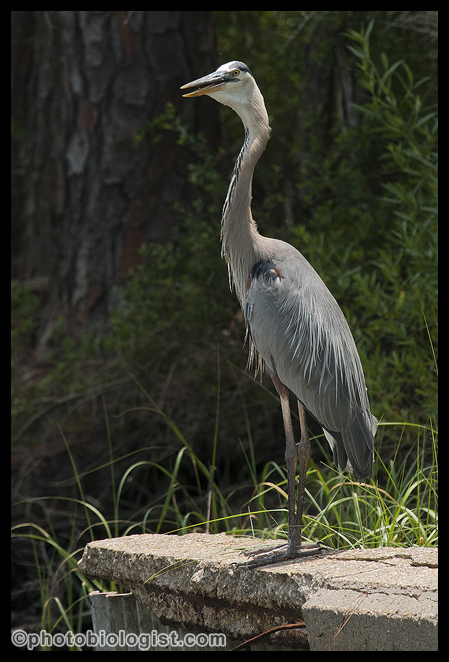
Great blue heron on the Cat Island Canal edge.
Kayaks and fishing rods will be available for individual use at the Cat Island house during our trip.
WHEN
Our adventure will begin at in the very early afternoon on Friday, March 6th when we meet to load our gear onto Shore Thing Charter’s boats at Long Beach Harbor. We will photograph Friday afternoon, Saturday morning and afternoon, and again on Sunday morning. We will return to Long Beach Harbor around early to mid-afternoon on Sunday, March 8th.
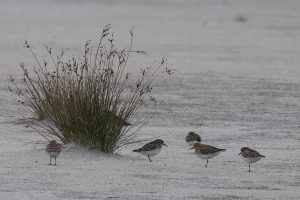
Least sandpipers on the beach at Cat Island.
WHERE
Our group will depart from Long Beach Harbor (720 South Cleveland Avenue, Long Beach, MS 39560). We will go out to Shore Thing Charter’s house on Cat Island, a barrier island about 7 miles off the coast of Mississippi. From the house, we have 3 options: 1) we can visit nearby sites on the island by foot or kayak, 2) go by foot or boat to photograph birds on shallow mud flats near the ends of the island, or 3) go by boat over into neighboring Louisiana and photograph birds loafing on shell banks, feeding on mud flats, or foraging in the marsh.
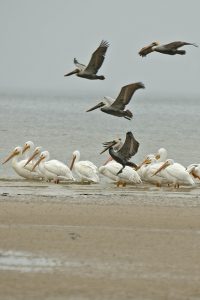
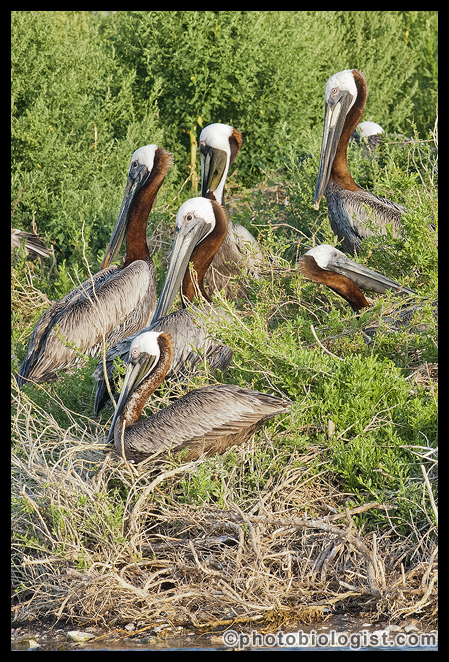
White and brown pelicans on Cat Island.
LODGING
Lodging is included, and will be in a private house on Cat Island, location of Shore Thing Charter’s famous “Cat Island Experience”.
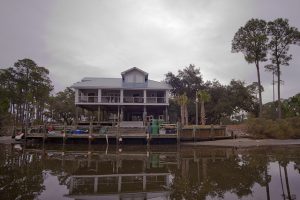
The house on Cat Island.
MEALS
Hearty meals are included, and will be served at the house on Cat Island. The cook at Cat Island specializes in “Cajun-Southern Cuisine”, and we’ll have seafood dinners, hearty breakfasts, and delicious lunches. We will attempt to serve the meals around the best photography light, which may mean a late breakfast and a late dinner with a light lunch in the bright mid-day. Snacks and water will be available on the boats while we are out photographing as well. As always, if you have dietary needs or restrictions, please let us know so that we can plan for those in advance. You may bring your own alcoholic beverages for consumption at the Cat Island House.
WHAT TO BRING
Pack in waterproof container (many coolers work well).
Camera
Lenses (long lenses)
Tripods
Other Photographic Equipment (flashes, brackets, memory cards etc.)
Battery chargers
Rubber knee boots
Subdued or camouflage field clothing (recommended for waterfowl opportunities)
Flash light
Bug spray
Toiletries and other personal items
Waders (if you wish)
Small folding stool/dove stool (if you wish)
Lay-down mats to lay or sit on in the sand & mud (if you wish)
Blinds/hides (if you wish)
Check weather before trip to see if you need to pack for cold weather, warm weather, hot weather, or all 3!
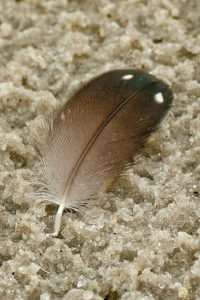
Shorebird feather on Cat Island beach right after a rain shower.
TRIP RIGOR
This adventure is moderately rigorous. It may involve walking in loose to firm sand carrying gear for 1 ¼ to 1 ½ miles one-way to a photographic location; though if the tides and weather permit, we will transport to a nearby beach via boat.
Climbing from the boat to the shore (and then back aboard) is usually done with a minimum of effort by utilizing coolers and steps, but sometimes a little wading may be needed.
Mosquitoes, no-see um’s (sand gnats), and biting flies may be present at this time of year, so bug spray and bug netting may be helpful.
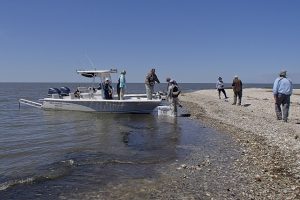
Offloading on the shell beach in the Biloxi Marsh.
PRICE
The price for this Cat Island Bird Photography Adventure is $900 per photographer. This includes guided boat transportation, photography assistance from Robert Smith, 2 nights lodging, 2 suppers, 2 breakfasts, 2 lunches, and the opportunity to press the shutter release a lot of times!
A deposit of $200.00 is required to hold your slot. If the trip is cancelled because of weather or the minimum number of photographers is not reached, your deposit may be applied to another day or overnight trip with Shore Thing Charters. Make checks payable to: Shore Thing Charters and mail them to: Robert Smith, Wildlife Mississippi, P.O. Box 1374, Biloxi, MS 39533.
A minimum of 6 photographers are needed, and a maximum of 8 will be accommodated.
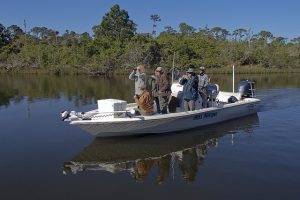
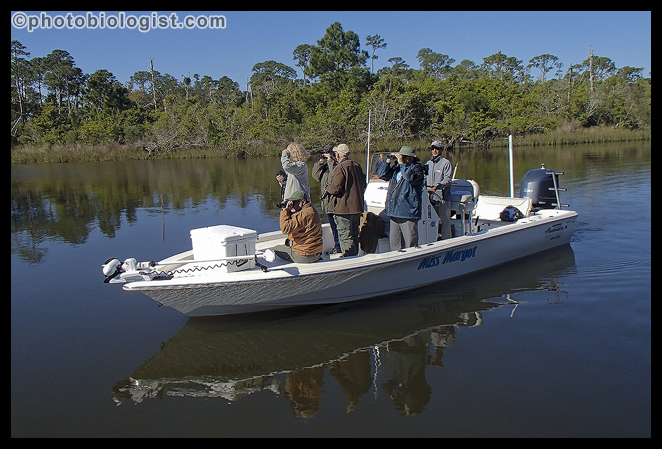
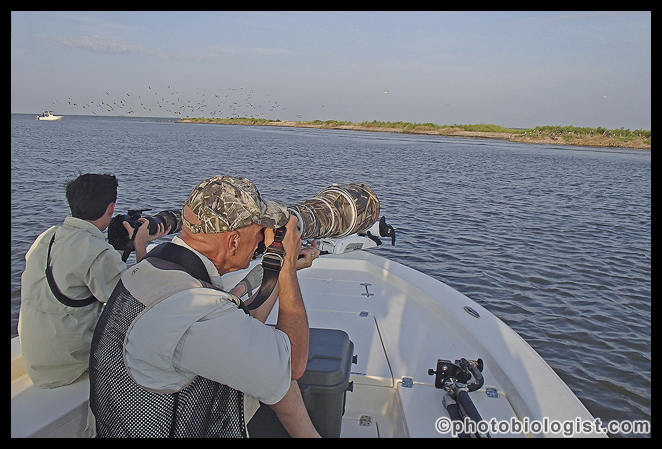
A group of birders and photographers in one of Shore Thing Charters boats in a Cat Island canal.
ABOUT THE TRIP LEADERS
Sonny Schindler and the other 6 captains at Shore Thing Charters make up the largest charter fishing fleet on the Mississippi Gulf Coast. The captains at Shore Thing Charters are on the water throughout the year and know the places where not only the fish are, but where the birds are located as well. They make every effort to provide an unbelievable outdoor adventure, while striving to make sure your trip is as enjoyable and productive as it can be.
Robert Smith is a wildlife biologist by vocation and has been photographing wildlife for over 30 years. He first worked on the Mississippi barrier islands in the late 1980’s. Robert can help with wildlife identification and camera issues.
TO SIGN UP
To sign up for this adventure or to ask questions, contact Robert Smith at 228-990-0559 or rsmith@wildlifemiss.org.
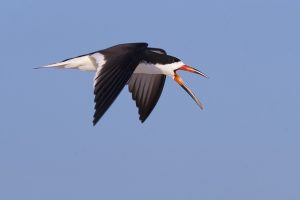
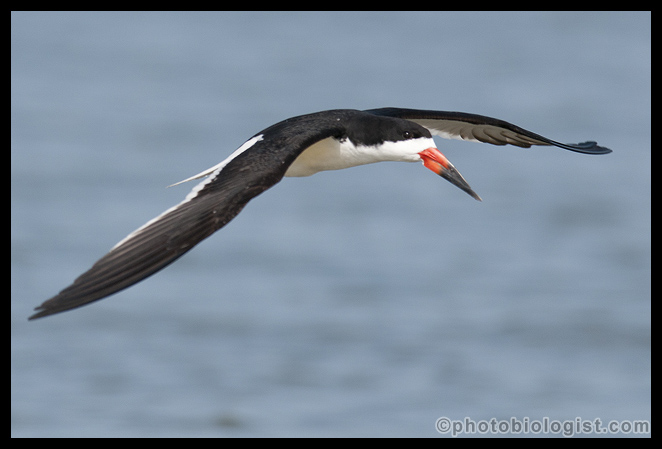
Black skimmer fly-by.
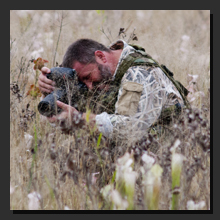 Robert and Kristin enjoy nature and outdoor activities. As a forest and wildlife biologist, Robert began taking photographs to document species and places where he was working. Quite soon a camera was always included in our outings. When Kristin, an ecologist, started shooting outdoor imagery as well, we began arranging trips specifically to take pictures as we evolved from a point and shoot mentality to a more thoughtful mode of photography to illustrate habitats, plants, animals, and some of the ways they act and interact. We find that we enjoy showing other people some of the outdoor world they may never get a chance to see, providing new perspectives, or helping them remember a special experience.